Music holds a certain place in everyone’s hearts. Certain lyrics speak to us like words on a page from the book of our own lives. Music can relax us, make us feel happy, energetic, and even help us find meaning in triumph in everyday life.
As formal and informal caregivers know, Dementia in Alzheimer’s disease is a critical concern in both the medical and social work fields, which impacts those individuals diagnosed, their loved ones, and our communities. Those diagnosed with the disorder suffer ongoing cognitive decline, a functional impairment that then begins to alter their life, quality of life, and social connectedness.
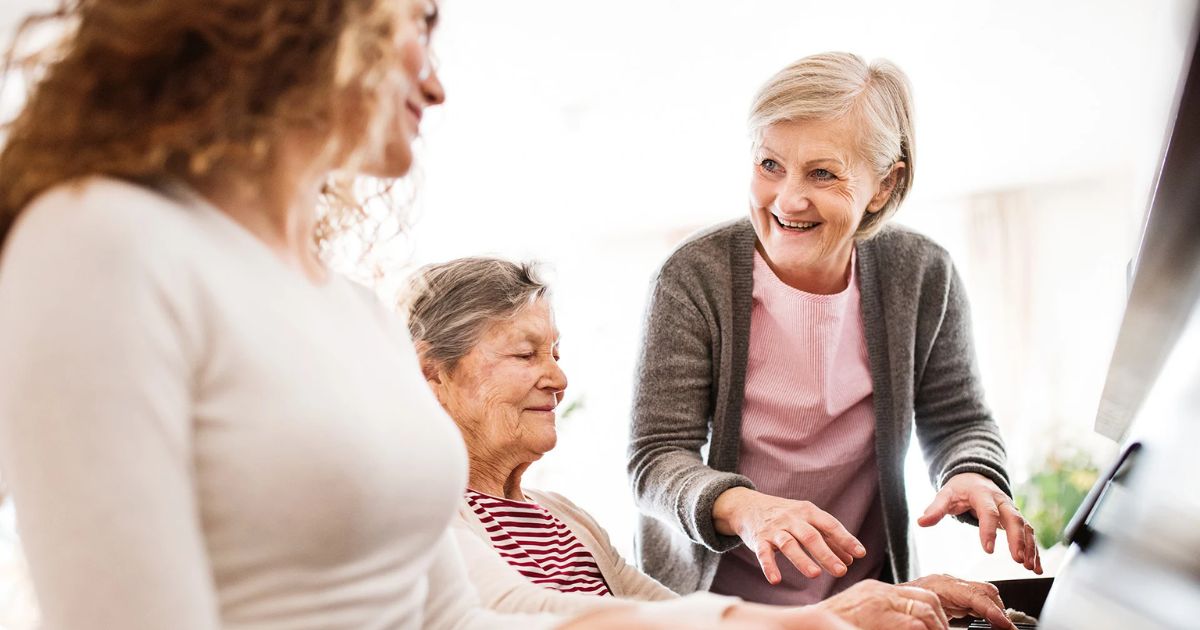
Care plans that include music in your Senior’s daily lives can provide them with an alternate source of pleasure, amusement, and provide them with comfort from the physical and emotional challenges of aging.
At Azara Home Health, we love supporting our clients with new methods in our caregiving process! Check out the article below to learn more about how music plays a huge role in the lives of our clients.
Dementia care is seen as a challenging yet gratifying profession for the majority of caregivers. One of the most sought-after questions we get from relatives is “How will we keep their loved one socially connected and mentally sharp?”
One of the many ways caregivers at Azara Home Health do this is by implementing music-based interventions into care plans. According to an article in the Journal of Alzheimer’s Disease Reports, music-based interventions have shown significant results at improving the quality of life by shaping the four factors that make up the biopsychosocial model, known for influencing the progression of illnesses such as depression and anxiety.
If your senior is facing Alzheimer’s disease or another dementia diagnosis, music offers a non-Pharmacological intervention that shows positive contributions on both emotional and behavioral states of seniors.
Research shows that recollection of musical ensembles, favorite tunes, and jams is often untouched because the parts of the brain that hold musical memories are often unaffected by the disease. Music memory is confined deep in our auditory cortex due to the powerful emotional connection it has on us, and obviously, because our brain enjoys listening to it. Dr. Sarkamo suggests that perception and audio recognition of musical tunes is one of the last things to deteriorate as memory declines.
A simple melody can grow into a powerful mnemonic tool when attempting to learn or remember something, such as when to eat a snack, take medication, or perform a task.
Additionally, when listening to music from their youth, songs can activate earlier memories and aid in restoring a sense of identity for your senior who is experiencing dementia. Furthermore, incorporating rhythm into your senior’s everyday schedule can also improve mood.
For the caregiver, either formal or informal, music can generate many of the same results by reducing stress, lowering anxiety, and improving mood. Because music incites positive moods and behavior changes, it’s no wonder that caregivers report the positive effect music generally has on their care partners and patients.
For older adults and those who have memory issues or even dementia, music possesses the power to stimulate the brain and restore memories. Furthermore, music can increase the cognitive processing speed of aging adults, which can help slow cognitive decline brought on by age.
To recap, by implementing music into our seniors’ everyday lives, we can provide them with a much-needed boost to their quality of life.
And because music provokes older, happier memories and encourages socialization, our older adults’ overall mental and physical health will benefit.
The great thing about music is that it can be implemented into almost every aspect of our lives.
To make certain that we are infusing music and melodies into your patient’s life, Azara caregivers turn on enjoyable tunes when assisting our clients with:
- with preparing for the day ahead
- exercising
- doing light housework or cooking meals
- entertaining friends and/or family
- recounting older memories
To greatly improve our older adults’ interpersonal communication, memory, socialization, and their overall quality of life, let’s learn to harness the power of music.