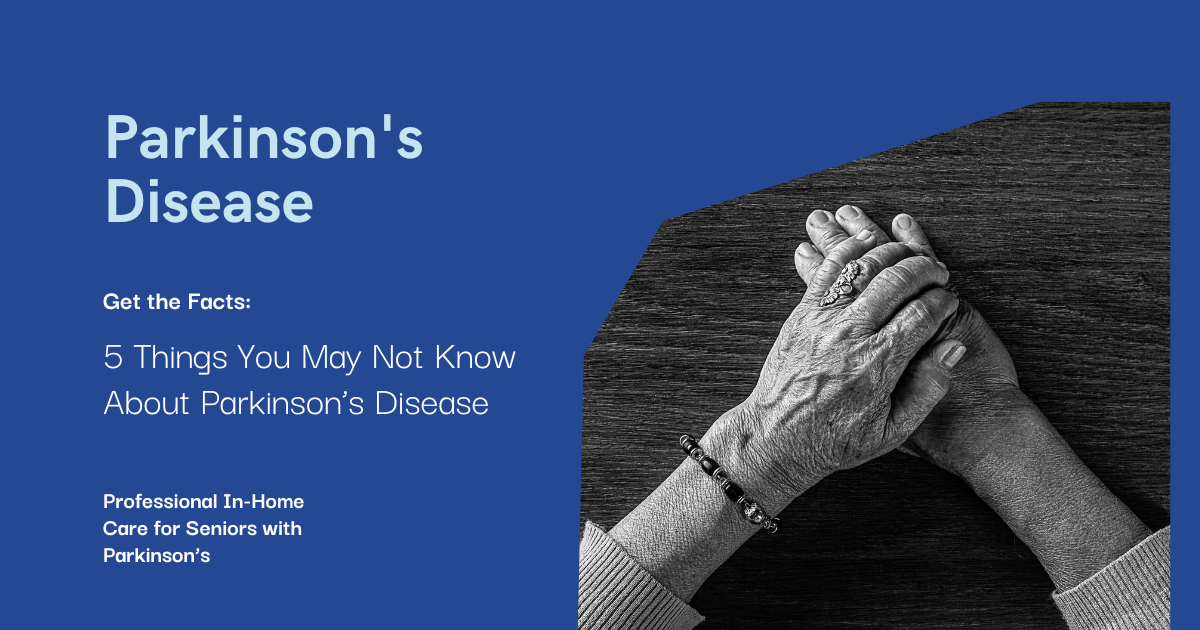
When your loved one starts struggling with tremors, low energy, or changes in the way they walk, move, or handle everyday tasks, it can shift the rhythm of daily life in ways that are hard to ignore. You may find yourself stepping in more often, watching more closely, and wondering how much support is enough. Whether these changes are connected to Parkinson’s disease symptoms, neurological disorders, another condition affecting the nervous system, or simply a growing need for extra help, the challenge for most families is the same. You want to make daily living safer, easier, and less exhausting at home.
That is where senior care at home can make a real difference. While home care does not diagnose or treat medical conditions, it can provide steady, practical support for the routines that often become harder when movement symptoms, fatigue, balance problems, or sleep issues start affecting daily life. For families in Wichita, KS and Derby, Andover and Haysville, in home care can offer structure, reassurance, and a more sustainable care plan for day-to-day living.
When Daily Tasks Start Taking More Out of You
Conditions that affect the nervous system often show up gradually. A loved one may still be doing many things independently, but with more effort, less confidence, and more physical strain. You may notice shakiness during meals, slower walking, muscle stiffness, trouble rising from a chair, or other symptoms. In some cases, these are early symptoms of a progressive movement disorder such as Parkinson’s. In others, they may reflect weakness, blood pressure changes, other related disorders, or a combination of issues.
From a home care perspective, what matters most is how symptoms affect function. A hand tremor may interfere with dressing and self-feeding. Fatigue may reduce ease of bathing, meal preparation, or grocery shopping. Mobility changes may increase fall risk during transfers, toileting, or walking through the home. Some people also experience sleep issues, speech changes, or even trouble swallowing, all of which can make routines more complicated for families.
Because not everyone experiences symptoms in the same way, support should be tailored to the person, not just the diagnosis. A strong care plan focuses on what will help your loved one manage symptoms, maintain dignity, and protect overall well being at home.
How Senior Care At Home Helps With Tremors and Movement Changes
Many families first seek help when movement related symptoms begin interfering with physical activity and everyday tasks. Tremors may be the most visible sign, but other common symptoms can include slower movement, difficulty initiating steps, impaired coordination, and involuntary movements in some cases. Parkinson’s is a progressive condition, which means symptoms may change over time, but support at home can still be organized in a practical and reassuring way.
With senior care at home, caregivers can assist with dressing set-up, bathing support, meal set-up, mobility assistance, and supervision during more physically demanding routines. These are not medical interventions, but they can make a meaningful difference in how safely and confidently a person functions in home. This type of in home care can also reduce frustration by allowing tasks to be completed with hands-on help when needed.
For people living with Parkinson’s symptoms or similar movement challenges, the goal is not to take over unnecessarily. It is to support independence where possible while reducing avoidable strain, falls, and exhaustion.
Help for Fatigue, Sleep Problems, and Low Energy
Fatigue is often one of the hardest symptoms for family caregivers to interpret because it can be caused by so many factors. It may be related to neurological changes, poor sleep, medication timing, or underlying health conditions. Some older adults also deal with sleep disorders or disrupted rest that leaves them depleted during the day. In a few cases, blood pressure or a sudden drop when standing may add to weakness and instability, which should always be discussed with the appropriate clinician.
This is where a thoughtful care plan becomes especially helpful. Home care can reduce the amount of energy a loved one has to spend on physically demanding tasks like light housekeeping, meal preparation, laundry, and errands. Caregivers can also help implement lifestyle changes, pace the day around times of better energy, support hydration, and encourage a healthy diet without allowing them to feel overwhelmed.
For many households, this support does more than manage symptoms. It helps prevent the cycle where a person overexerts themselves, becomes more fatigued, and then withdraws from normal routines. With the right help in home, daily life can feel more steady and more achievable.
Practical Ways In Home Care Can Help Day to Day
The real value of home care is often found in the details of daily life. The services offered by Azara Home Health include Alzheimer’s & Dementia Care, Certified Nurse Assistant, Companionship, 24-Hour Care, Meal Preparation, Personal Care, Private Duty Care and Respite Care. Those services can be especially useful when symptoms begin to affect comfort, safety, and routine.
Personal care support can make bathing, dressing, grooming, and toileting more manageable. Meal support can help with preparation, clean-up, and grocery shopping, especially when tremors or fatigue make kitchen tasks harder. Companion care can provide encouragement, social connection, and supervision during periods of weakness or unsteadiness. Medication reminders can support consistency without crossing into medical management. Respite care can also provide much needed respite for family caregivers who may be juggling work, appointments, and ongoing supervision.
This kind of support is often valuable in the early stages, when families want to preserve independence, but it can also remain helpful if symptoms progress into the later stages and more hands-on assistance becomes necessary. Throughout that process, in home care gives family members a way to share responsibility instead of trying to do everything alone.
When Families Are Looking for Answers and Support
It is common for families to start searching after they notice several changes happening at once. They may be gathering information from the National Institute on aging, the Parkinson’s Foundation, or possible risk factors such as age, genetics, or environmental factors. They may also come across discussions of brain cells, nerve cells, the exact cause of Parkinson’s, or whether exposure to certain toxins could play a role. While those topics matter, they do not change the immediate reality at home.
A loved one may still need help getting dressed safely, preparing meals, conserving energy, and moving through the day with more confidence. Some families may eventually discuss treatment options such as medication adjustments, therapy, or even deep brain stimulation with their medical team, but home care serves a different purpose. It focuses on daily function, safety, and quality of life.
That is why support does not have to wait for every answer. Even before a physician has ruled out Parkinson’s or other disorders, families can put helpful non-medical support in place.
A More Supportive Path Forward
Tremors, fatigue, and mobility changes are serious, but the story does not have to center only on decline. Help is available, and the right support can make daily life feel more manageable. With a practical care plan, compassionate in home support, and attention to routines that help manage symptoms, families can create a safer and more sustainable path forward.
At Azara Home Health, we understand that family members often reach out when they want clear, dependable help, not more confusion. Through in-home care, families in Wichita, KS and Derby, Andover and Haysville can get support with the daily challenges that often affect movement, energy, and confidence at home.
If your loved one is experiencing tremors, fatigue, or mobility changes that are beginning to interfere with everyday life, now may be the right time to explore home care services. The right support can protect independence, reduce stress for family caregivers, and improve everyday well being in meaningful ways.