Maybe it’s a lingering cold that seems to hang on longer than it used to. Or a scrape that’s slower to heal, or a bout of confusion that shows up out of nowhere and just as quickly fades. These small moments are often the first hint that an older body handles germs differently than it once did — and that’s exactly where infection prevention in seniors starts to matter in a very real, everyday way.
This isn’t about fear or overcorrection. It’s about a handful of steady habits that, over time, help many older adults stay safe and support better health at home. Caregivers who spend real time with older adults tend to notice something family members often don’t expect: infection in seniors doesn’t always look the way people assume it will.
Why Aging Bodies Face More Risk
As the body ages, the immune system naturally becomes slower to respond to new threats. This doesn’t mean illness is inevitable — it means recovery and detection both take a bit more attention. The Centers for Disease Control and Prevention notes that older adults are more vulnerable to severe illness from infections, including flu and pneumonia, which is part of why prevention habits carry more weight later in life than they did at 40.
This vulnerability isn’t limited to respiratory illness. It touches everything from minor skin infections to urinary tract infections, and it’s one reason a steady daily routine matters more than any single dramatic intervention.
What Does Infection Prevention in Seniors Actually Look Like Day to Day?
In practice, infection prevention in seniors rarely involves anything complicated. It’s built from small, repeatable habits woven into an ordinary day — not a checklist that requires constant vigilance.
Maintaining Good Hygiene, One Small Habit at a Time
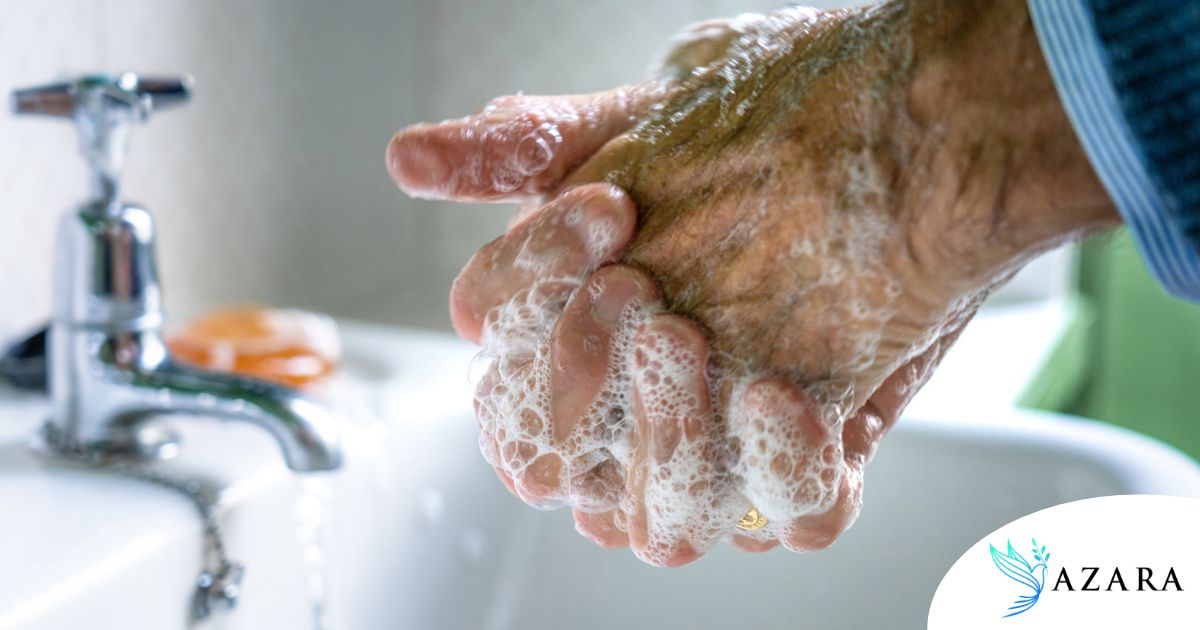
Washing hands before meals, after using the bathroom, and after being out in the community remains one of the simplest and most effective ways to stop the spread of germs. For older adults with limited mobility or arthritis, keeping soap and a towel within easy access — rather than across the bathroom — can emphasize safety and make this habit far easier to stick with.
Basic hygiene tasks tend to get harder before anyone notices they’re slipping. A senior who’s always kept up with personal cleanliness may start skipping steps simply because reaching the shower or standing long enough to wash properly has become uncomfortable. Shower chairs and grab bars can make a real difference here — small, practical additions that keep hygiene tasks manageable without requiring extra assistance for every step.
Vaccination as a Layer of Protection
Staying current on recommended vaccines, including the flu and pneumococcal vaccines, adds a meaningful layer of protection. A conversation at the doctor’s office is the best way to figure out which vaccines make sense for a loved one’s health history.
Skin and Wound Care
Even small cuts or pressure spots can become a doorway for infection in a patient, particularly if healing is already slower. Keeping skin moisturized, checking pressure points for anyone with limited mobility, and treat minor wounds promptly rather than waiting them out all help close that door.
Good Hygiene Habits Caregivers Rely On
Beyond hand washing, a few other personal hygiene habits tend to make an outsized difference:
- Regular oral care — poor oral hygiene and gum disease affect overall health more than most people realize
- Regularly cleaning bedding and clothing, especially for anyone managing incontinence or noticing body odor as a new concern
- Careful food storage and prep, since foodborne illness hits older adults harder than younger ones
- Staying hydrated, which helps the body naturally flush out bacteria
None of these require special training. They’re the kind of habits that, once built into a routine, mostly run on autopilot.
The Sign Families Often Miss
Here’s where caregiving experience really shows its value: infection in an older adult doesn’t always announce itself the way people expect. One of the most common and most overlooked examples is a urinary tract infection presenting not as pain or urgency, but as sudden confusion, drowsiness, or a fall.
This is a pattern caregivers who spend consistent time with the same client tend to develop a feel for, simply because they know what’s normal for that person and notice when something shifts.
This is exactly why a familiar, consistent presence in the home can catch what a once-a-week visit might miss. A sudden change in mood, appetite, or alertness is worth a call to the doctor’s office — even if nothing about it seems obviously connected to infection.
How In-Home Care Helps With Infection Prevention in Seniors
It’s worth pausing on one point of confusion families run into: a home health aide and an in-home caregiver aren’t the same thing. A home health aide typically provides medical support ordered by a doctor, while an in-home caregiver focuses on the day-to-day — hygiene, hydration, meal prep, and the steady presence that makes early detection possible. Azara Home Health provides the latter.
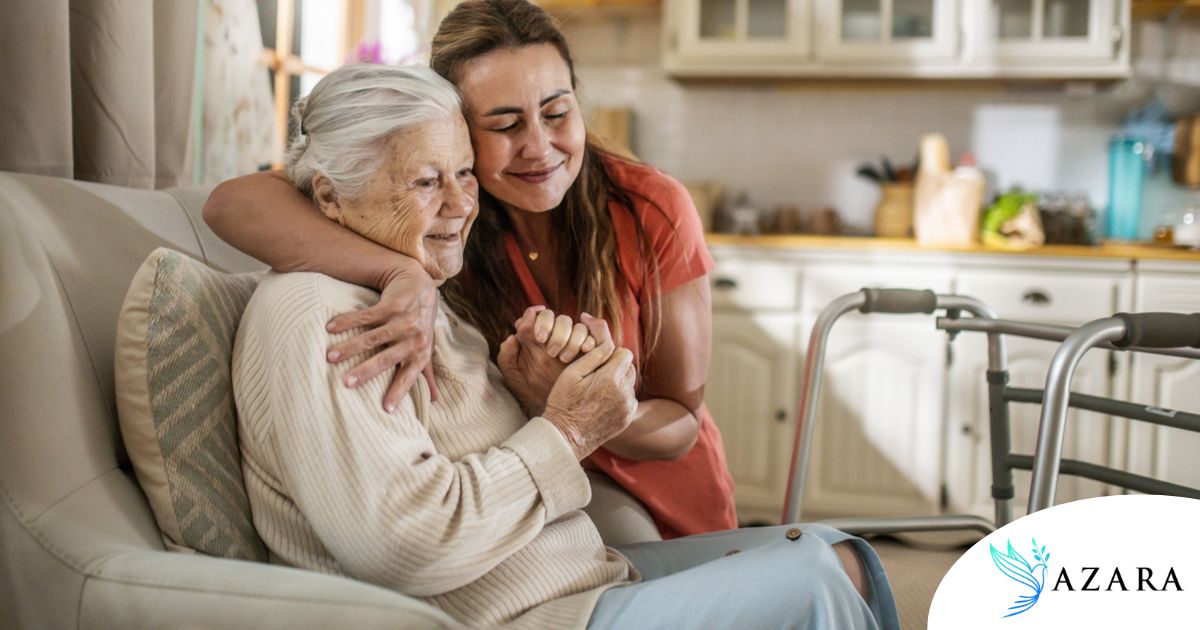
For families focused on infection prevention, a few home care services matter most. Personal care can assist with ensuring that hygiene routines like bathing, oral care, and skin checks, along with cleaning, happen consistently, even on days when fatigue or discomfort would otherwise get in the way. Medication reminders help make sure vaccines and any other care stay on schedule rather than slipping through the cracks. And companionship, often underestimated, means someone is present often enough to offer real emotional support and notice subtle shifts in behavior — the kind that can signal infection before it becomes serious.
For families in Wichita, KS and Derby, Andover and Haysville, this kind of steady, professional support can be the difference between catching something early and missing it until it becomes a bigger concern. It’s also a more affordable way to maintain daily wellbeing than waiting until a bigger, costlier problem develops.
A Gentle Next Step
None of this requires a family to become experts overnight. It just takes a few consistent habits, a little extra attention to what’s normal for your loved one, and access to support that fits naturally into daily life. Azara Home Health offers Alzheimer’s & Dementia Care, Certified Nurse Assistant, Companionship, 24-Hour Care, Meal Preparation, Personal Care, Private Duty Care and Respite Care. These are designed to help families in Wichita, KS build exactly that kind of steady, attentive care at home. If you’d like to talk through what support might look like for your family, we’re glad to help you think it through — no pressure, just a conversation.